Early Years
A Reggio Emilia–inspired kindergarten where children learn through observation, language, and play in three tongues. Outdoor mornings, four days a week, year-round.
An international education rooted in the cultural depth of Central Asia. Cambridge curriculum, IB Diploma, and a faculty drawn from across the world — set against the foothills of the Tian Shan.
For more than a decade, we have built a school where children from Almaty learn to think globally — and stand confidently in who they are.
Nur-Nation Educational Future was founded in 2014 on a quiet idea — that the children of Kazakhstan deserve an education as ambitious as the country they will inherit. We teach in three languages, follow internationally recognised curricula, and graduate students who go on to study at universities across the world.
But our deepest work is local. Our students grow up climbing the Tian Shan, reading Abay alongside Tolstoy and Toni Morrison, and learning that an Almaty childhood is one of the great privileges of this century. They leave us as global citizens — but they leave as Kazakhstanis first.
We invite you to walk our halls, to meet our faculty, and to consider whether NNEF might be the school you have been looking for.
Every student graduates fluent in Kazakh, Russian and English — taught not as subjects but as the daily language of math, of history, of life on campus.
Cambridge IGCSE in middle school, the IB Diploma at the senior level. Our graduates apply with academic credentials read by every university worth attending.
We recruit teachers from across Kazakhstan, the UK, Canada, Singapore and Türkiye. The average teaching experience on faculty is fourteen years.
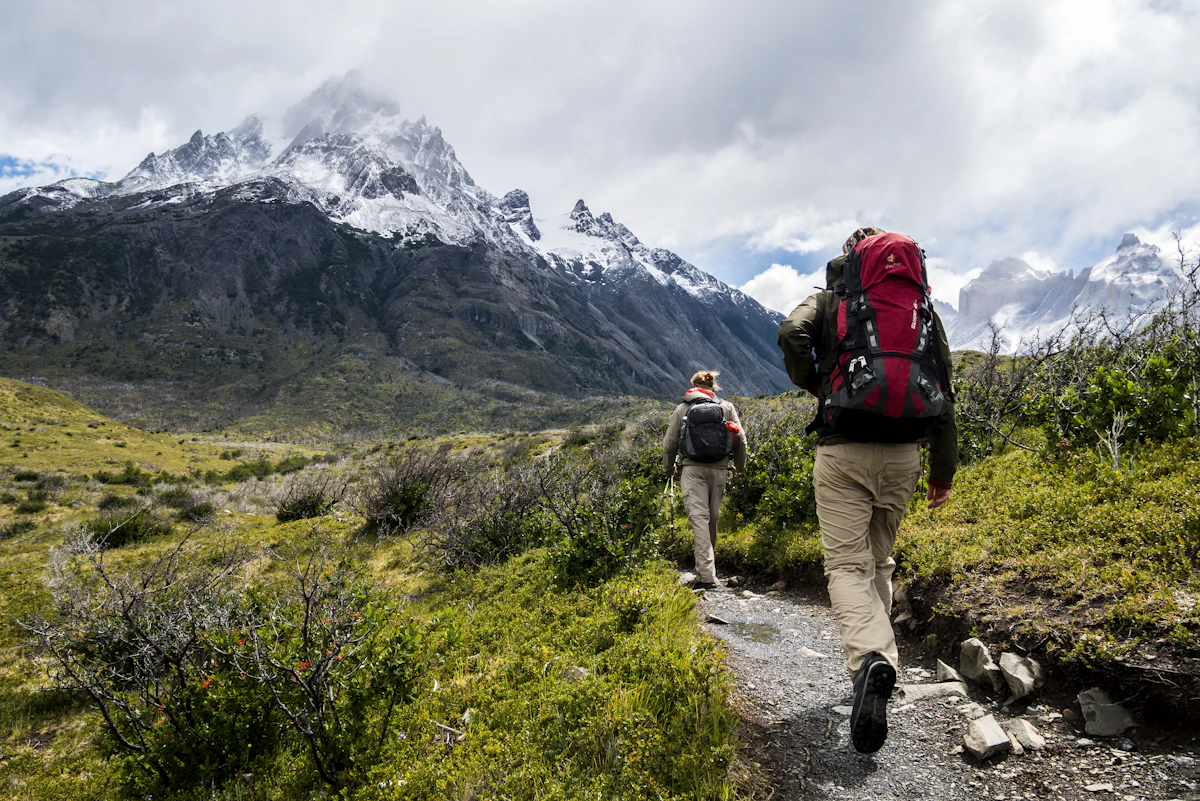
The mountains are our second classroom. Field study, ecology, ski weeks and student expeditions across Central Asia are part of the curriculum, not extras.
From the first letters of the alphabet to the last weeks before a university decision, every stage at NNEF is designed by educators who specialise in that age — not handed down from the one above.
A Reggio Emilia–inspired kindergarten where children learn through observation, language, and play in three tongues. Outdoor mornings, four days a week, year-round.
The Cambridge Primary curriculum joins forces with our own literature programme — Abay, Pushkin, Roald Dahl — to build readers who can think across cultures from age seven.
Cambridge Lower Secondary into IGCSE. Students choose ten subjects, design two independent projects, and take their first international exams in Year 10.
Two years of the world's most demanding pre-university programme, taught by IB-trained faculty. Graduates of 2024 hold offers from Oxford, NYU, KIMEP and HKUST.
One week of every term lived above 2,000m in our Shymbulak field campus — taught in geology, ecology, alpine ethics, and the literature of mountains.
A four-year university and career counselling programme beginning in Grade 9 — internships across Almaty, summer institutes abroad, and SAT/IELTS preparation on campus.
Our 6.4-hectare campus sits in the foothills of the Zailiysky Alatau, ten minutes from Medeu and twenty from the centre of Almaty. Three academic buildings, a 320-seat theatre, two libraries, a 25-metre pool, and woodland the children call "naş tau" — our mountain.
The architecture, by Bureau Adam in Almaty, draws on the brick-and-timber tradition of the city's mid-century schools, scaled and re-imagined for a thousand students.
Fewer topics, taught with depth. Children leave each year having actually understood what they studied — not raced through it.
From Grade 4 onwards, every literature, history and ethics class is held around a Harkness table. Students lead, teachers facilitate.
One week a year, every middle and upper student joins a service project — in an Almaty oblast village, a Bishkek orphanage, or a Tashkent archive.
The school day is a phone-free environment from arrival to dismissal. We are not nostalgic about it — we are deliberate.
The first school I have ever taught at where the children are quietly, genuinely interested in each other.— Ms. Helena Whitcombe · Head of English
NNEF gave my daughter something I never expected — the confidence to stand in front of a roomful of adults and disagree, in three languages, with grace.
I came in thinking I would study engineering. Two years of IB philosophy and a teacher named Mr. Aitken later, I am reading politics at LSE.
What I love about teaching here is the same thing my students love about being here — nobody is performing. Real questions get real answers.
We accept new students for September entry, with a smaller January intake at certain grade levels. The process is designed to be as much about the family choosing us as it is the other way around.
Submit our enquiry form, then come to a Wednesday morning campus tour with the Head of Admissions and a current student.
An age-appropriate morning on campus — for younger children, structured play; for older students, written work and a conversation with two faculty.
You meet with the Head of School and the relevant Head of Section. We talk about your child, your hopes, and whether NNEF is the right fit.
Offers go out within ten working days. Accepted families are paired with a current family, and the child meets their new class before they begin.
Eighty-four students, forty-one universities, sixteen countries. A complete map of the Class of 2025's next chapter.
Our Head of Curriculum on why NNEF teaches eight IGCSEs, not twelve — and what we ask students to do with the time we save.
Three hundred families, twenty student tour-guides, and a small dombra recital. A photo essay from a busy Saturday on campus.
The first step is a five-minute enquiry form. The second is a Wednesday morning on campus, with coffee and a current student who knows the place better than anyone.